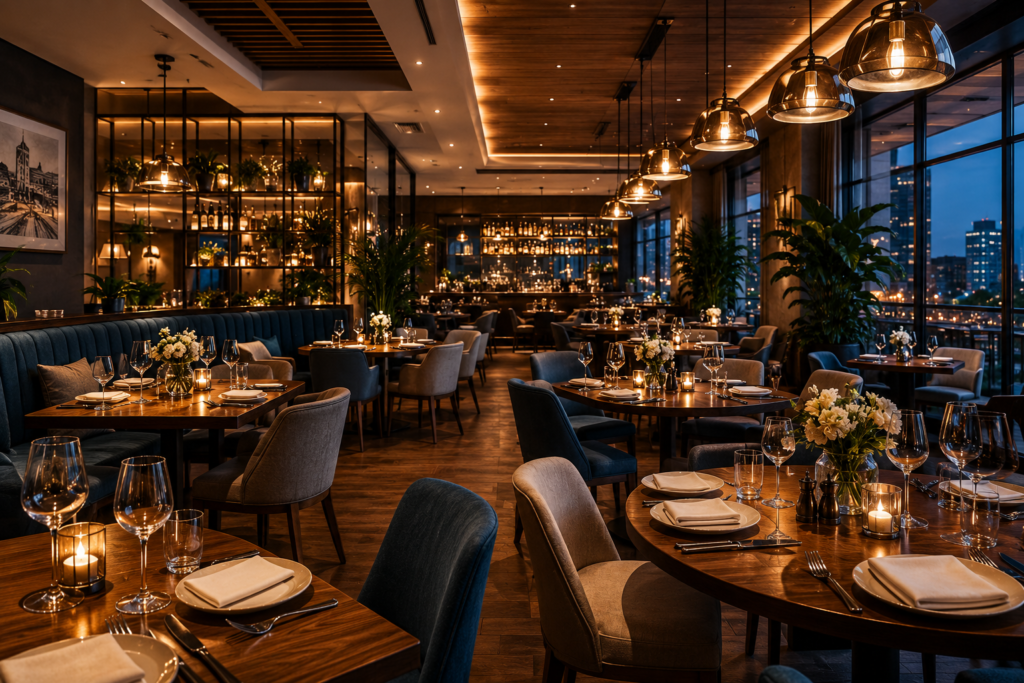

A restaurant is much more than a place to eat—it is a destination where people gather to enjoy delicious food, celebrate special occasions, conduct business meetings, or simply spend quality time with family and friends. From quick-service fast-food outlets to elegant fine dining establishments, restaurants cater to every taste, budget, and dining preference.
The restaurant industry has grown rapidly over the years, offering customers a wide variety of cuisines, unique dining experiences, and modern services such as online reservations, home delivery, and contactless payments. Whether you are craving traditional local dishes or international flavors, there is a restaurant to satisfy every appetite.
This comprehensive guide explains everything you need to know about restaurants, including their different types, services, menu styles, hygiene practices, booking tips, and the latest industry trends.
What Is a Restaurant?
A restaurant is a business that prepares and serves food and beverages to customers. Guests may dine inside the establishment, order takeout, or have meals delivered to their homes. Restaurants vary in size, style, and pricing, but their primary goal is to provide quality food and excellent customer service.
Restaurants can specialize in local cuisine, international dishes, seafood, vegetarian meals, desserts, or fast food, giving customers endless dining options.
Different Types of Restaurants
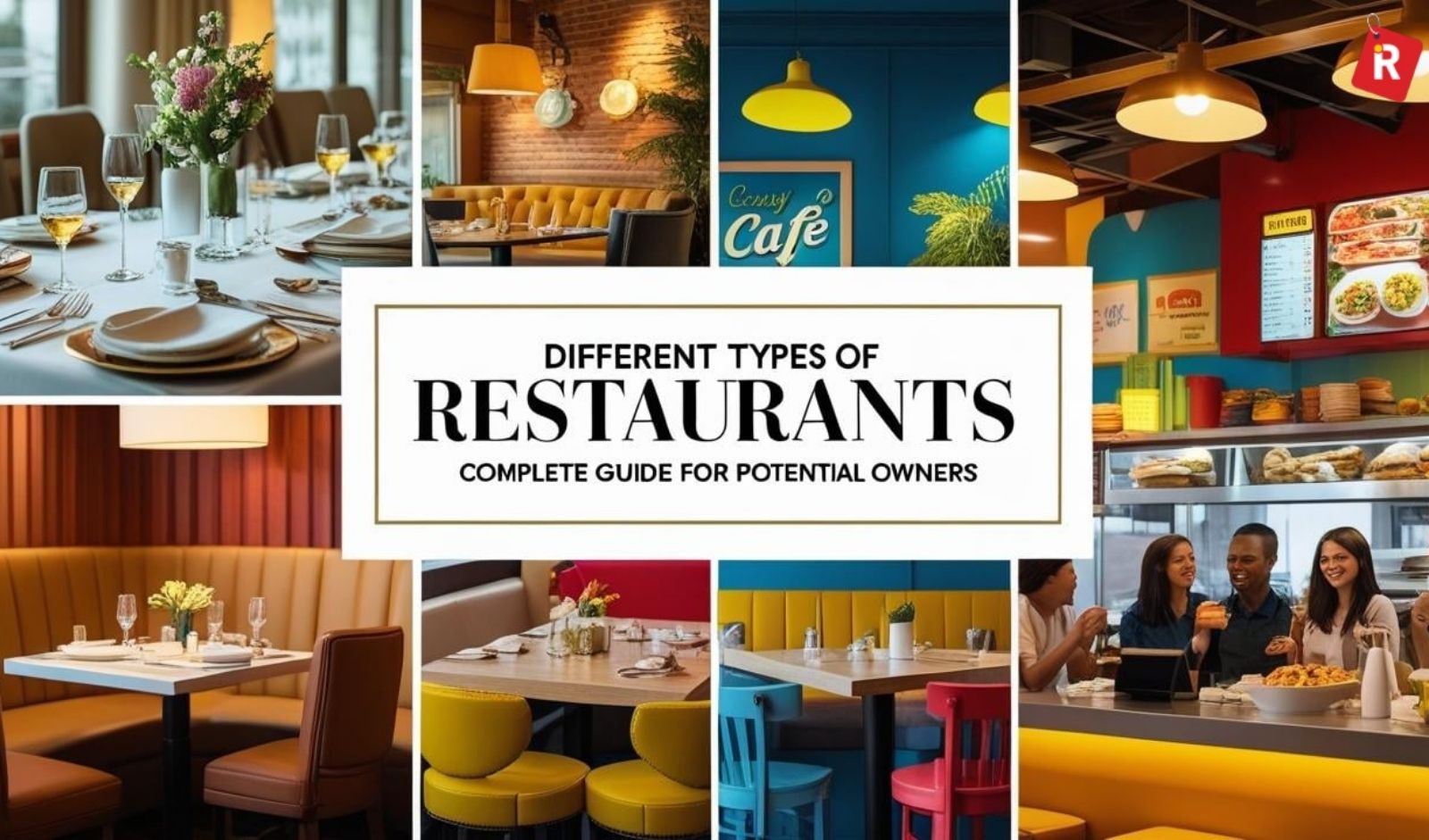
1. Fine Dining Restaurants
Fine dining restaurants provide an upscale experience with elegant interiors, professionally trained staff, and premium-quality dishes.
Features include:
- Luxurious atmosphere
- Gourmet meals
- Professional table service
- Extensive wine and beverage selections
- Reservation system
- Premium pricing
These restaurants are ideal for anniversaries, business dinners, and special celebrations.
2. Casual Dining Restaurants
Casual dining restaurants offer a comfortable environment suitable for families, couples, and groups of friends.
Benefits include:
- Affordable pricing
- Wide variety of menu options
- Friendly atmosphere
- Table service
- Comfortable seating
They are one of the most popular choices for everyday dining.
3. Fast Food Restaurants
Fast food restaurants focus on serving meals quickly and efficiently.
Popular menu items include:
- Burgers
- Pizza
- Fried chicken
- Sandwiches
- French fries
- Soft drinks
These restaurants are ideal for busy people looking for affordable and convenient meals.
4. Buffet Restaurants
Buffet restaurants allow customers to serve themselves from a large selection of dishes for a fixed price.
Advantages include:
- Unlimited food choices
- Great value for money
- Variety of cuisines
- Suitable for large groups
5. Family Restaurants
Family restaurants are designed to accommodate guests of all ages.
They often feature:
- Children’s menus
- Comfortable seating
- Affordable meals
- Friendly service
- Relaxed environment
6. Café Restaurants
Cafés combine light meals with coffee, tea, desserts, and snacks.
Popular café menu items include:
- Coffee
- Tea
- Cakes
- Pastries
- Sandwiches
- Salads
They are ideal for casual meetings, studying, or relaxing.
Restaurant Services
Modern restaurants offer numerous services to improve customer convenience.
Common services include:
- Dine-in
- Takeaway
- Home delivery
- Online reservations
- Catering services
- Private dining rooms
- Event hosting
- Drive-through service
- Outdoor seating
These options help restaurants meet the needs of different customers.
Restaurant Menu Categories
Restaurants organize their menus into several sections.
Appetizers
Small dishes served before the main course.
Examples:
- Soup
- Garlic bread
- Spring rolls
- Salad
Main Course
The primary meal offered by the restaurant.
Popular options include:
- Steak
- Pasta
- Grilled chicken
- Seafood
- Rice dishes
- Vegetarian meals
Desserts
Sweet dishes served after the main meal.
Examples include:
- Ice cream
- Cheesecake
- Brownies
- Chocolate cake
- Fruit desserts
Beverages
Restaurants typically serve:
- Fresh juices
- Soft drinks
- Coffee
- Tea
- Smoothies
- Mocktails
Importance of Restaurant Hygiene
Cleanliness is one of the most important factors in the restaurant industry.
A hygienic restaurant should maintain:
- Clean kitchens
- Sanitized tables
- Fresh ingredients
- Proper food storage
- Safe cooking temperatures
- Regular staff handwashing
- Clean restrooms
- Waste management systems
Maintaining high hygiene standards protects customers from foodborne illnesses and improves the restaurant’s reputation.
How to Choose the Best Restaurant
Before selecting a restaurant, consider the following factors.
Check Customer Reviews
Online reviews provide valuable information about:
- Food quality
- Customer service
- Cleanliness
- Waiting time
- Overall experience
Review the Menu
A good restaurant should offer a menu with:
- Fresh ingredients
- Multiple cuisine options
- Vegetarian choices
- Children’s meals
- Healthy dishes
Consider the Location
Choose a restaurant that is:
- Easy to reach
- Safe
- Close to your destination
- Equipped with parking facilities
Compare Prices
Always compare restaurant prices with the quality of food and service provided.
The cheapest option is not always the best value.
Check Hygiene Standards
A clean dining area and kitchen indicate professional management and commitment to food safety.
Benefits of Dining at a Restaurant
Restaurants provide several advantages beyond simply serving food.
Professional Cooking
Experienced chefs prepare meals using quality ingredients and professional techniques.
Social Experience
Restaurants provide an enjoyable environment for:
- Family gatherings
- Birthday parties
- Business meetings
- Romantic dinners
- Celebrations
Time Saving
Dining at a restaurant saves time by eliminating cooking and cleaning at home.
Variety of Food
Restaurants offer cuisines from around the world, allowing customers to explore new flavors.
Restaurant Etiquette
Following proper etiquette creates a pleasant dining experience for everyone.
Good restaurant manners include:
- Arrive on time for reservations.
- Dress appropriately.
- Be polite to restaurant staff.
- Avoid loud conversations.
- Turn mobile phones to silent mode.
- Tip according to local customs where appropriate.
- Leave your table clean.
Online Restaurant Reservations
Many restaurants now allow online reservations through websites and mobile applications.
Benefits include:
- Guaranteed seating
- Reduced waiting time
- Easy booking management
- Special event reservations
- Birthday and anniversary planning
Restaurant Technology in 2026
Modern restaurants continue to adopt advanced technologies.
Popular innovations include:
- QR code digital menus
- Contactless payment systems
- AI-powered ordering
- Self-service kiosks
- Mobile ordering apps
- Kitchen automation
- Online table booking
- Smart inventory management
These technologies improve efficiency and enhance the customer experience.
Sustainable Restaurant Practices
Many restaurants are adopting environmentally friendly practices.
Examples include:
- Reducing food waste
- Recycling materials
- Using biodegradable packaging
- Purchasing local ingredients
- Conserving water and electricity
- Eliminating single-use plastics
Sustainability benefits both businesses and the environment.
Tips for Restaurant Owners
Restaurant owners can improve customer satisfaction by focusing on:
- Excellent customer service
- High-quality ingredients
- Clean dining areas
- Fair pricing
- Staff training
- Fast service
- Attractive menu design
- Strong online presence
- Positive customer reviews
- Loyalty programs
These practices help attract repeat customers and build a strong reputation.
Frequently Asked Questions (FAQs)
What is the main purpose of a restaurant?
A restaurant prepares and serves food and beverages to customers while providing a comfortable dining experience.
What are the different types of restaurants?
Common types include fine dining, casual dining, fast food, buffet restaurants, cafés, and family restaurants.
Why is restaurant hygiene important?
Proper hygiene prevents food contamination, protects customer health, and improves the restaurant’s reputation.
What should I look for when choosing a restaurant?
Consider customer reviews, food quality, menu variety, cleanliness, pricing, location, and customer service.
Are online restaurant reservations useful?
Yes. They save time, reduce waiting, and guarantee seating during busy hours.
Conclusion
A restaurant is more than just a place to enjoy a meal—it is an essential part of modern life that brings people together through food, hospitality, and memorable experiences. Whether you prefer a quick fast-food meal, a cozy family restaurant, or an elegant fine dining experience, choosing the right restaurant ensures better food quality, comfort, and service.
By considering factors such as cleanliness, customer reviews, menu options, pricing, and location, you can confidently select a restaurant that meets your needs. As technology and sustainability continue to shape the industry, restaurants are becoming more efficient, environmentally friendly, and customer-focused than ever before.